Current Shifts: How Tidal Patterns Shape Wagers on Coastal Yacht Racing Events
Viktor Lehmann · Jul 24, 2026
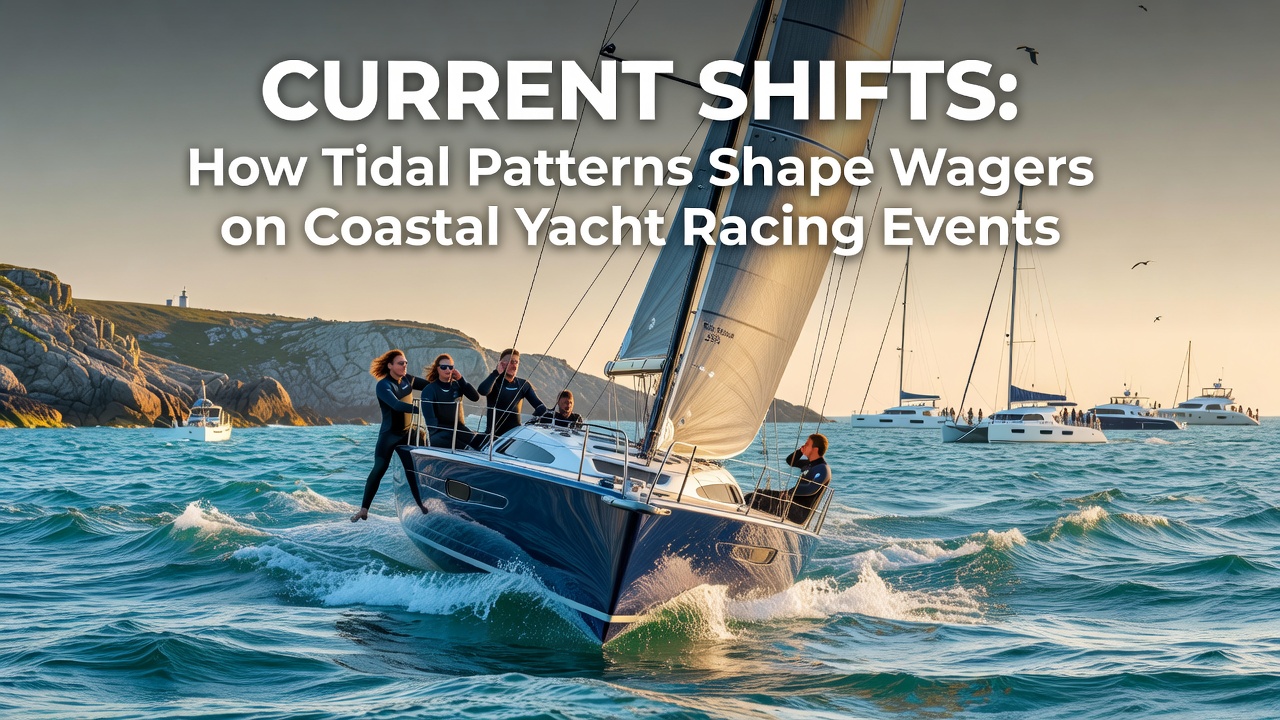
Current Shifts: How Tidal Patterns Shape Wagers on Coastal Yacht Racing Events
Coastal yacht racing events depend on precise environmental conditions, and tidal patterns stand among the most influential variables that alter boat performance and race outcomes. Data from meteorological and oceanographic agencies show that tidal flows create measurable shifts in current speed and direction, which directly affect elapsed times and finishing positions in races held near shorelines. Bettors who monitor these patterns gain access to updated probability models that reflect real-time adjustments in vessel handling and strategic decisions.
Tidal Mechanics in Coastal Racing Zones
Strong ebb and flood cycles generate currents that either assist or hinder progress along prescribed courses, particularly in narrow straits and harbor entrances where water accelerates between landforms. Research conducted by the National Oceanic and Atmospheric Administration indicates peak tidal streams in locations such as the English Channel and parts of the Australian east coast can exceed three knots during spring phases, producing measurable time gains or losses for competing yachts. Observers note that crews adjust sail trim and course headings to exploit favorable flows, and these tactical changes appear in post-race speed logs published by organizing authorities.
During July 2026 several major coastal regattas coincide with neap and spring tidal windows that differ from previous seasons, prompting analysts to recalibrate expected performance ranges for favored entries. Figures released by World Sailing reveal that race committees increasingly publish tide-adjusted course lengths and start times, which in turn influence market odds offered by licensed wagering platforms. Those who track these announcements obtain early indicators of which teams possess superior local knowledge of current sets.
Impact on Betting Markets and Odds Formulation
Bookmakers incorporate tidal forecasts into their pricing algorithms because current data alters the likelihood of specific results. Historical records from multiple events demonstrate that boats starting on the favored side of a tidal gate often finish ahead of pre-race expectations, shifting payout structures for outright, handicap, and head-to-head markets. Industry reports compiled by the International Maritime Organization highlight how coastal races experience greater variance in finishing spreads compared with offshore events where tidal influence diminishes beyond the continental shelf.
Market makers therefore adjust spreads and over-under totals when spring tides coincide with light wind forecasts, since reduced wind combined with strong currents can compress or expand elapsed times across the fleet. One study released by the Australian Institute of Marine Science examined twelve consecutive seasons of Sydney Hobart qualifying races and found that tidal phase accounted for statistically significant portions of performance deviation even after controlling for wind speed and boat design class.
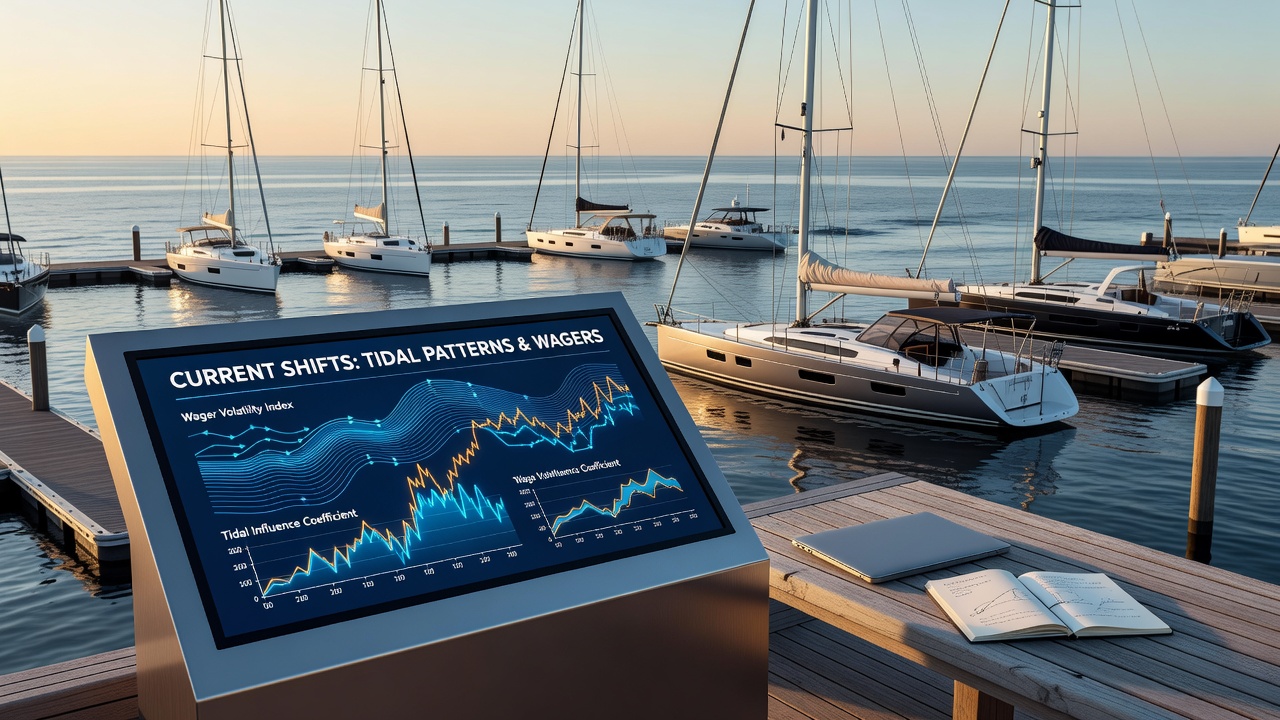
Data Sources and Analytical Tools Used by Market Participants
Participants in these wagering markets rely on publicly available tide tables, real-time current sensors, and hydrodynamic modeling software to refine their assessments. Government agencies in Canada and the European Union publish standardized tidal atlases that integrate with GPS routing programs, allowing precise predictions of time advantages at each mark rounding. Academic papers from ocean engineering departments at several universities demonstrate that machine-learning models trained on combined wind and tidal datasets outperform simpler statistical approaches when forecasting race results.
Live odds platforms update continuously as new tidal and meteorological information arrives, creating short windows where informed bettors can identify value before lines stabilize. Records kept by race organizers show that events held during periods of rapid tidal change produce wider spreads in finishing times, which in turn increases volatility in related proposition bets such as margin of victory and fastest leg times.
Geographic Variations and Seasonal Patterns
Different coastal regions exhibit distinct tidal regimes that require localized expertise. The Bay of Fundy experiences extreme ranges exceeding ten meters, while Mediterranean venues display more modest but still influential flows around headlands and islands. Data compiled by the Norwegian Mapping Authority illustrates how fjord races encounter complex counter-currents that reward teams with detailed local surveys, and these advantages translate into measurable shifts in pre-event betting lines.
Seasonal transitions also matter because equinoctial tides in spring and autumn often produce stronger streams than midsummer neaps, altering the relative importance of boat speed versus tactical positioning. Event schedules published for 2026 indicate several prominent coastal series will occur during periods of higher tidal range, prompting analysts to revisit historical performance data segmented by tidal phase.
Conclusion
Tidal patterns remain a core variable that shapes both the physical execution of coastal yacht races and the wagering markets built around them. Comprehensive datasets from government oceanographic services, international sailing bodies, and peer-reviewed research continue to refine understanding of how current flows interact with wind, course geometry, and crew decisions. As event calendars advance into 2026, participants who integrate accurate tidal information into their evaluations maintain access to updated probability assessments that reflect prevailing conditions rather than static averages.