Fatigue Forecasting: Biometric Applications for MMA Performance Projections
Viktor Lehmann · Jul 15, 2026
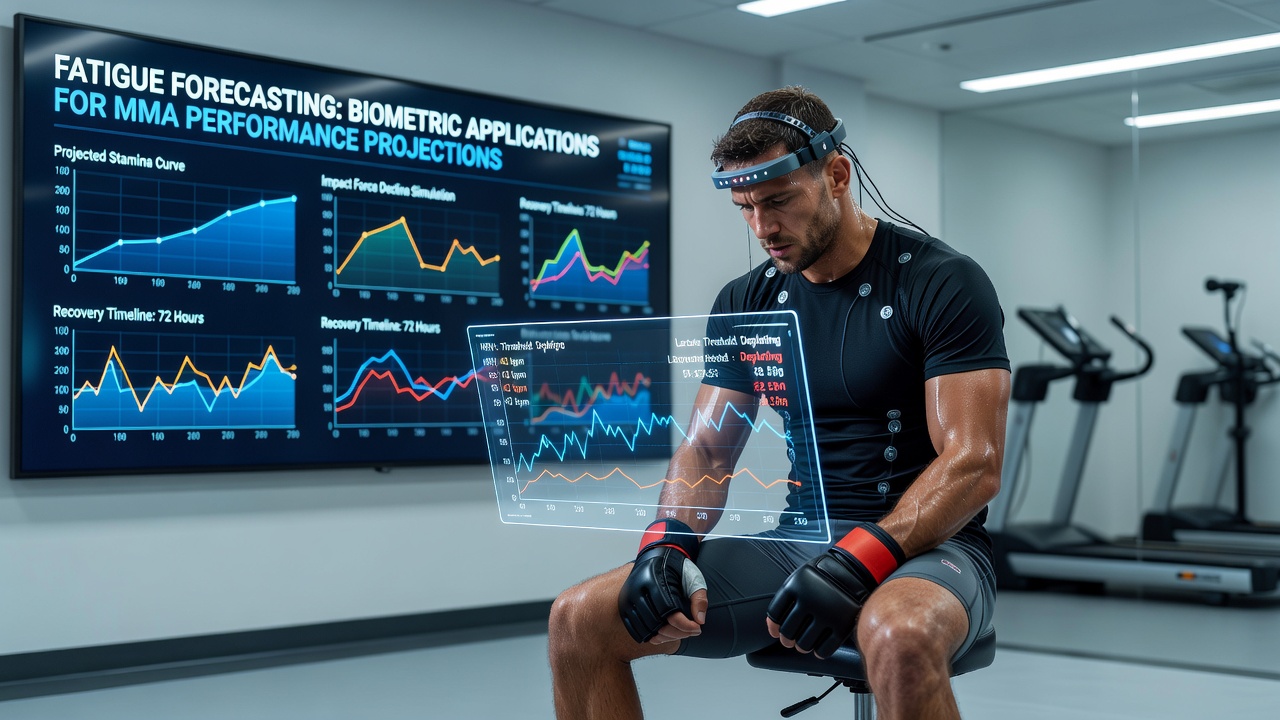
Fatigue Forecasting: Biometric Applications for MMA Performance Projections
Combat sports analysts track fatigue patterns in mixed martial arts through biometric systems that measure physiological signals and generate performance projections before events take place, while fighters prepare under training regimens that incorporate continuous monitoring of recovery markers and workload indicators.
Core Biometric Metrics in MMA Contexts
Heart rate variability serves as a primary indicator because it reflects autonomic nervous system balance, and researchers collect daily readings from chest straps or wrist devices to establish baseline values for each athlete, whereas blood oxygen saturation levels combined with sleep duration data provide additional layers that help identify when cumulative training stress begins to impair reaction times and power output. Cortisol and creatine kinase concentrations measured through periodic blood sampling add endocrine and muscle damage insights that algorithms then integrate into multivariate models, and these models output fatigue scores that range from low risk to elevated concern for upcoming bouts.
Data Collection Protocols and Wearable Integration
Training camps deploy synchronized sensor networks that record metrics every few seconds during sparring rounds and strength sessions, after which cloud platforms aggregate the streams and apply machine learning classifiers trained on historical fight outcomes. Accelerometers embedded in gloves and shin guards capture strike velocity decay across rounds, while inertial measurement units on the torso detect posture shifts that correlate with neuromuscular fatigue onset. Teams receive automated alerts when an athlete's composite score deviates beyond established thresholds, allowing coaches to adjust sparring volume or insert extra recovery days before the final training block concludes.
Performance Projection Methodologies
Statistical frameworks combine biometric inputs with fight-specific variables such as weight cut severity and opponent striking volume, then generate probability estimates for sustained output across five rounds, and validation studies compare these projections against actual in-cage metrics collected from previous events. One research group at a Canadian sports institute demonstrated that fighters whose pre-fight heart rate variability dropped more than 15 percent from baseline showed measurable reductions in takedown defense accuracy during later rounds. European laboratories have examined similar datasets and reported comparable associations between elevated creatine kinase and decreased kick output in the championship rounds of title fights.
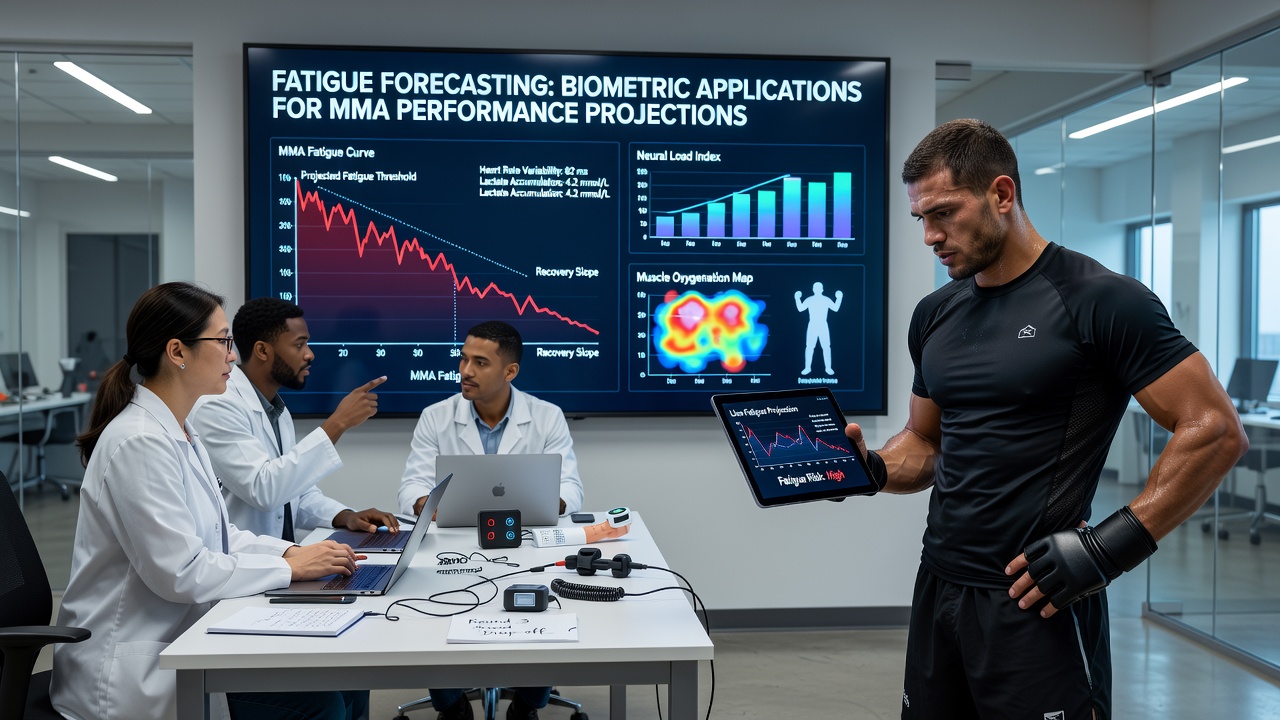
July 2026 schedules already list several major promotions that intend to publish anonymized biometric summaries alongside traditional statistics, a move that follows pilot programs conducted by state athletic commissions in North America and Oceania during the prior year. These summaries include projected endurance indices derived from wearable data rather than subjective coach assessments alone, and early releases indicate tighter alignment between projected and observed round-by-round performance when biometric inputs receive higher weighting in the models.
Implementation Challenges and Standardization Efforts
Device calibration differences across manufacturers create inconsistencies that analysts must correct through normalization procedures, while individual physiological responses vary enough that population-level thresholds require adjustment for each fighter's unique profile. Privacy regulations in multiple jurisdictions limit how long raw sensor data can remain stored, prompting organizations to adopt federated learning approaches that keep personal records on local devices and share only aggregated model updates. Industry bodies such as the American College of Sports Medicine have issued position stands that outline minimum reporting standards for biometric studies in combat sports, and these guidelines encourage transparent documentation of sensor placement, sampling frequency, and algorithm validation metrics.
Case Examples from Recent Training Camps
One welterweight contender's camp recorded consistent nightly declines in sleep efficiency during the final three weeks before a title challenge, prompting a reduction in sparring intensity that preserved striking accuracy according to post-fight punch statistics. Another middleweight squad used real-time oxygen saturation feedback during altitude training blocks to fine-tune interval durations, resulting in sustained output levels that matched pre-camp projection curves more closely than earlier events without such monitoring. Observers note that these adjustments occurred after biometric platforms flagged cumulative fatigue earlier than traditional subjective wellness questionnaires alone would have indicated.
Future Directions in Algorithm Refinement
Developments scheduled for late 2026 include integration of salivary biomarker strips that deliver near-instantaneous cortisol readings without venipuncture, and researchers plan to test these alongside existing wearable streams to determine whether predictive accuracy improves for fighters who experience rapid weight cuts. Academic centers in Australia and the United Kingdom continue to publish open datasets that allow independent validation of fatigue forecasting models, thereby accelerating consensus on which variables carry the strongest weight across different weight classes and fight durations. Regulatory interest from athletic commissions in several regions has prompted discussions about requiring standardized biometric reporting for main-event title bouts, although implementation timelines remain under review.
Conclusion
Biometric applications now supply structured inputs that training staffs and analysts use to generate fatigue forecasts for MMA performance projections, and continued refinement of sensor accuracy plus model transparency supports broader adoption across professional promotions. Data from multiple geographic sources indicate that when these systems operate within established validation frameworks, projections align more closely with observed fight metrics than assessments based solely on training volume or subjective observation.