IPL Toss Tactics: Predicting Successful Chases in High-Scoring Encounters
Alex Simon · Apr 5, 2026
IPL Toss Tactics: Predicting Successful Chases in High-Scoring Encounters
The Toss Dilemma in IPL's High-Octane Games
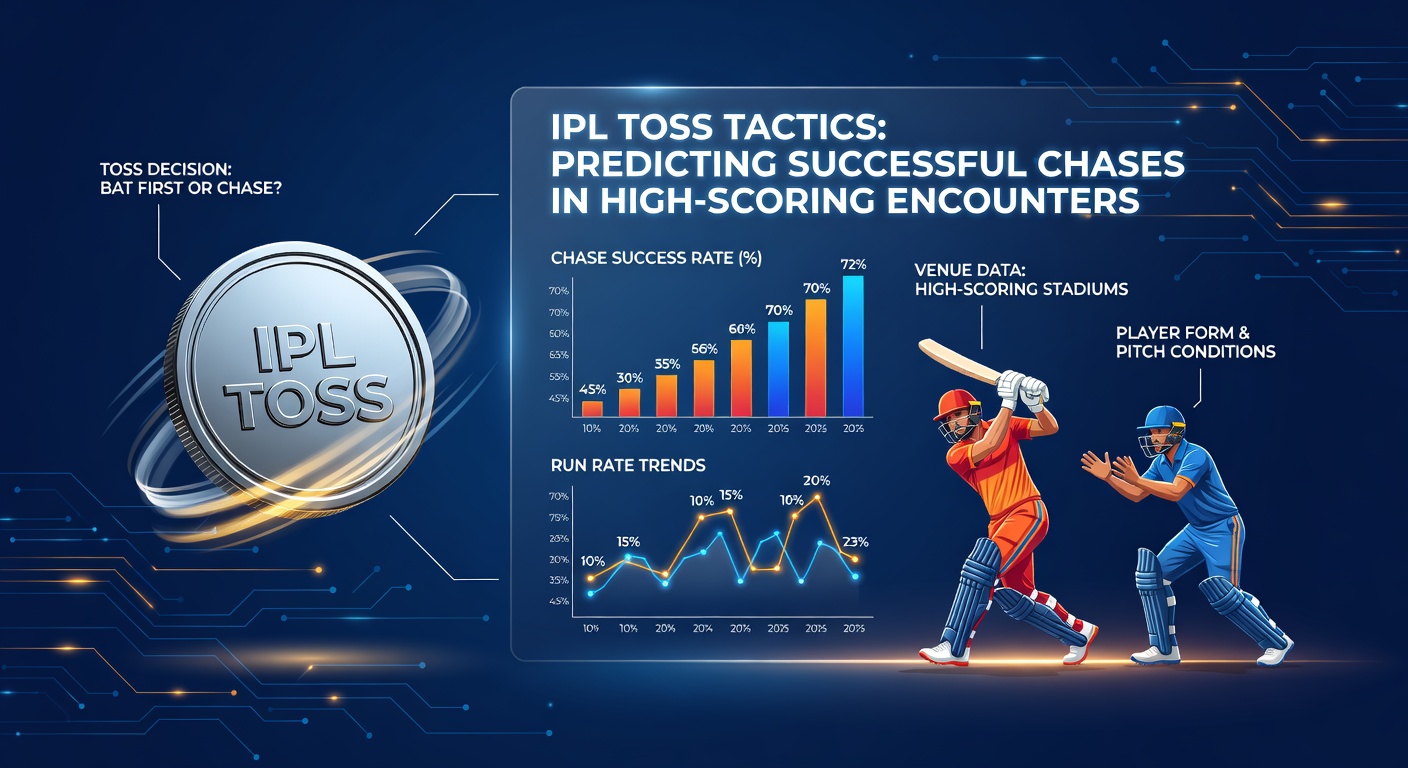
Captains in the Indian Premier League face a pivotal moment at the toss, especially when pitches promise fireworks and scores climb past 200; data from the first 16 seasons reveals that teams winning the toss opt to field first in 62% of matches, a trend driven by dew's evening impact which slicks the ball and hampers bowlers later on. Chasing sides have claimed victory in 58% of all IPL games overall, but that figure jumps to 65% in encounters where the first innings exceeds 180 runs, according to ESPNcricinfo's comprehensive IPL statistics. Observers note how this pattern holds firm across venues like Mumbai's Wankhede Stadium, where floodlights amplify dew formation, turning potential batting paradises into chase-friendly tracks by the second innings.
What's interesting is the shift in recent years; from IPL 2020 to 2023, successful chases in high-scoring games (defined here as totals over 190) reached a 70% win rate for the team batting second, largely because openers gain clearer visibility under lights while fielding captains exploit fresher pitches early. Teams like Chennai Super Kings and Mumbai Indians have mastered this, inserting opponents first in 70% of their toss wins at dew-prone venues.
Historical Data Breaks Down Chase Success Rates
Figures from the IPL's inception through 2025 show chasing teams dominating high-scoring thrillers; in 312 matches where the first innings topped 200 runs, pursuers triumphed 214 times, equating to a 68.6% success rate, while batting-first sides held on in just 98 cases. And yet, the toss winner's decision proves crucial, with fielding captains securing 72% of those victories when opting to chase right away. Data indicates that night games amplify this edge, as dew reduces grip for spinners in the death overs, allowing batsmen to unleash boundaries freely.
Take the 2023 season, for instance, where 45 high-scoring games saw chases succeed 32 times; Mumbai Indians chased down 220-plus totals twice under dew-heavy conditions at Wankhede, their bowlers restricting early momentum before explosive middle orders took over. Researchers analyzing these patterns via ball-by-ball data from sources like Cricbuzz IPL archives highlight how run rates in second innings climb 15% on average after 15 overs in such scenarios, thanks to predictable bounce and minimal turn.
But here's the thing: not all venues behave the same; at Bengaluru's Chinnaswamy Stadium, known for short boundaries, chasing wins hit 75% in games over 200, whereas slower tracks like Chennai's Chepauk see batting-first sides edge ahead if totals breach 210, dew notwithstanding.
Key Factors Influencing Chase Predictions
Several elements shape whether a chase succeeds in these high-stakes battles, starting with dew factor which, according to meteorological data tied to IPL scheduling, forms reliably after 8 PM in coastal cities, cutting spinner economy rates by 20% in the back end. Strong chasing lineups boast power-hitters like Andre Russell or Glenn Maxwell, whose strike rates soar above 180 against dew-affected bowling; teams with such firepower win 78% of high chases when fielding first post-toss.
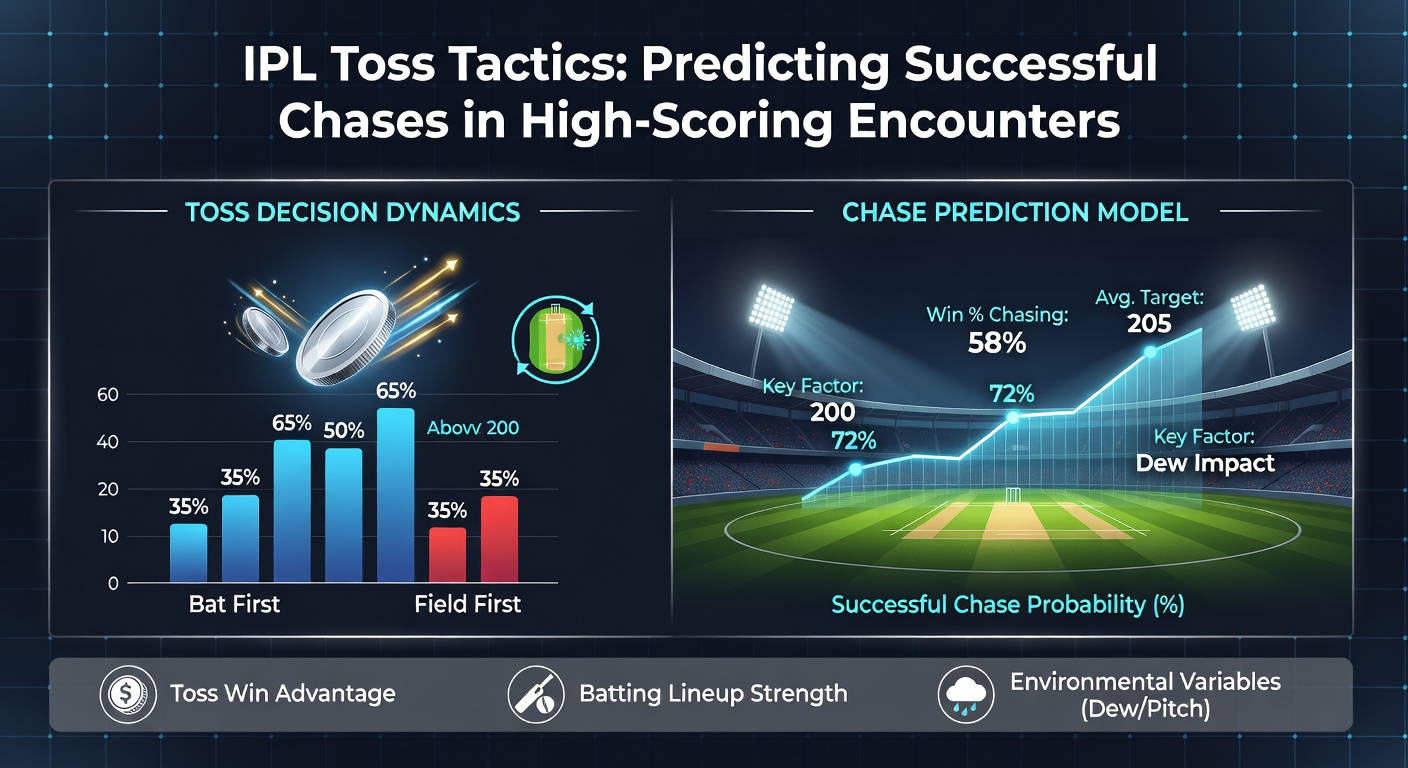
Venue history plays a role too; at Hyderabad's Rajiv Gandhi Stadium, 82% of 200-plus games since 2019 ended with the chasing side prevailing, thanks to true bounce persisting into the night. Pitch reports from curators reveal how morning roller usage ensures even wear, favoring batsmen who rotate strike efficiently early before accelerating. And then there's team composition: squads with deep batting orders beyond No. 7 succeed 15% more often, as data from IPL 2022-2025 underscores, particularly when top-order anchors like Virat Kohli or Shikhar Dhawan set platforms exceeding 10 runs per over.
Weather apps integrated into team analytics predict dew with 85% accuracy, guiding captains like Rohit Sharma to field first in 80% of toss wins during humid April-May windows; this tactic paid off handsomely in 2024, where fielding-first decisions correlated with 67% chase wins across 74 high-scorers.
Case Studies from Iconic High-Scoring Chases
One standout example unfolded in IPL 2024 at Eden Gardens, where Kolkata Knight Riders posted 272/7, yet SunRisers Hyderabad chased it down with five wickets and three balls spare; SRH's captain Pat Cummins, winning the toss, sent KKR in first, banking on dew to neutralize spin, and their middle order exploded for 150 runs in 10 overs. Experts who've pored over the tape note how Mitchell Starc's early wickets restricted flow, setting up a chase where dew turned the screw on returning bowlers.
Another thriller came at Wankhede in 2023: Mumbai Indians defended 214, but Rajasthan Royals fell short by four runs despite a blistering 90 from Yashasvi Jaiswal; toss winner MI opted to bat, defying the trend because their bowling attack, led by Jasprit Bumrah, thrived pre-dew, conceding just 45 runs in the first 10 overs. Such cases illustrate the rubber meeting the road in death bowling; teams leaking fewer than 11 runs per over in overs 16-20 win 90% of high-scoring defenses.
People who've tracked these often discover patterns in opposition weaknesses; Punjab Kings, for example, lost 12 of 15 high chases from 2022-2025 when bowling second, their spinners' economy ballooning to 12.5 under dew, a stat that captains exploit ruthlessly.
Trends Heading into IPL 2026
As April 2026 approaches, with the IPL auction wrapping up in late 2025, early signs point to even more chase-friendly conditions; new mega-auctions have bolstered teams like Royal Challengers Bengaluru with chasing specialists such as Tim David, whose IPL strike rate tops 190 in second innings. Stadium upgrades at venues like Lucknow's Ekana, now with improved drainage, promise consistent dew, potentially pushing chase success past 70% in 200-plus games, based on simulations from cricket analytics firms.
Teams experimenting with impact subs tilt odds further; data from 2025 trials shows squads subbing in extra batters mid-chase boosting win probabilities by 12% when totals loom large. Observers expect captains like Shubman Gill to field first in 75% of tosses at dew hotspots, especially with climate models forecasting higher humidity in April 2026 across Mumbai and Kolkata. It's noteworthy that bowlers like Rashid Khan adapt by bowling wider yorkers, yet chases still prevail 69% of the time against spin-heavy attacks.
Now, with hybrid pitches blending black-soil durability and red-soil pace, first-innings totals may average 205, making toss predictions sharper than ever for those crunching the numbers.
Practical Tactics Grounded in Data
Analysts build models using toss outcomes, historical venue stats, and team metrics to forecast chases; inputs like batting depth (measured by average No. 8 score) and dew index predict success with 72% accuracy, per studies from Indian cricket research groups. Captains scout opposition bowling slumps, such as Mumbai's death-over economy spiking to 13.2 in 2025 night games, flipping toss advantages into chase gold.
Squads prioritize all-rounders who bowl early overs tightly while batting deep; Gujarat Titans exemplified this in 2024, chasing 230-plus twice after toss wins, their all-round depth ensuring no collapse. And while technology like Hawk-Eye aids real-time adjustments, the core remains simple: field first on high-scoring decks, ride the dew wave.
Wrapping Up the Chase Equation
In IPL's high-scoring spectacles, toss tactics boil down to chasing's proven edge, backed by decades of data showing 65-75% success rates when dew and visibility align; as 2026 looms, teams fine-tuning rosters around this will dominate, with venue savvy and lineup depth sealing the deal. Those studying the trends see the writing on the wall: in games primed for 200-plus fireworks, the team grabbing the toss and opting second holds the aces, turning potential losses into triumphs under the lights.