Seasonal Injury Recovery Timelines and Their Measurable Effects on Performance Differentials Across European Basketball Leagues
Cameron Hoffmann · Jun 19, 2026
Seasonal Injury Recovery Timelines and Their Measurable Effects on Performance Differentials Across European Basketball Leagues
European basketball leagues operate on demanding schedules that stretch from autumn through spring, placing consistent physical stress on athletes, and injury patterns emerge each season with measurable consequences for team outputs. Researchers tracking data across the EuroLeague, Spanish ACB, and German Bundesliga have documented how recovery periods for common ailments alter point differentials and overall standings, while patterns in June 2026 continue to reflect similar trends from prior years.
Common Injuries and Documented Recovery Periods
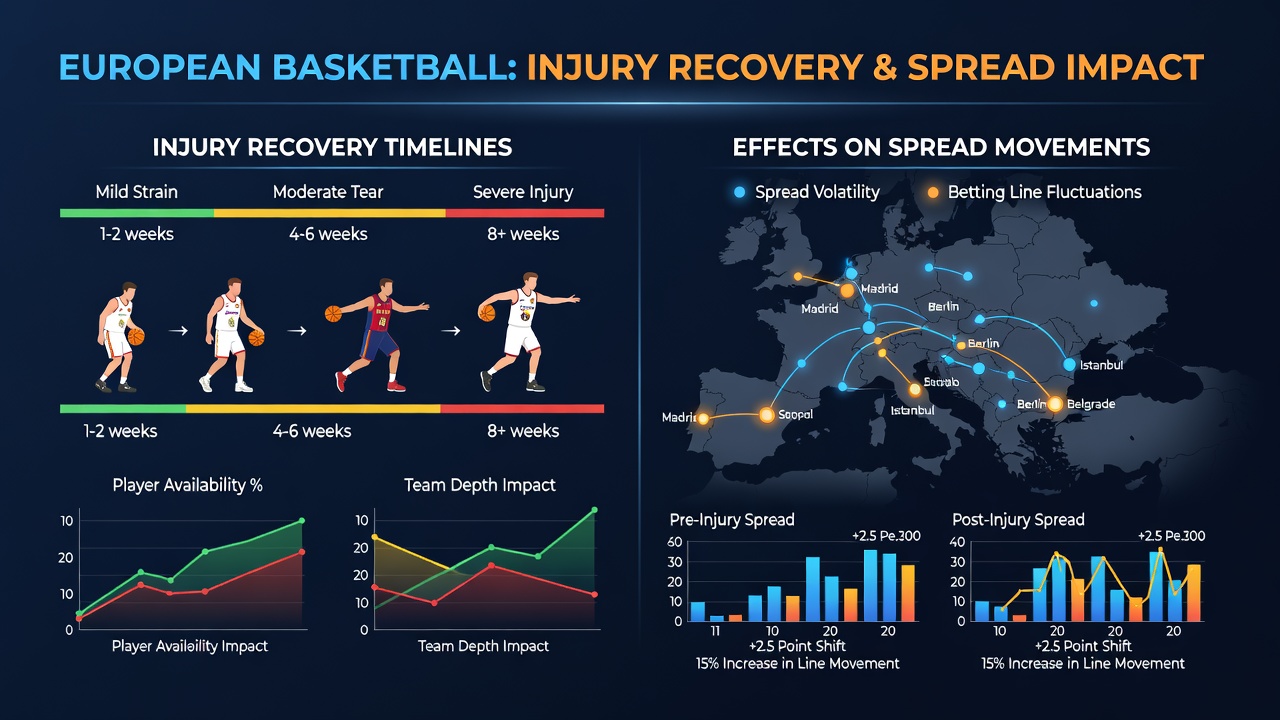
Basketball involves repeated jumping, cutting, and contact, which leads to ankle sprains, knee ligament strains, and shoulder issues as the most frequently reported problems. Data from multiple seasons shows ankle sprains typically require three to six weeks for full return to play, whereas anterior cruciate ligament tears extend absences to nine months or longer depending on surgical intervention and rehabilitation protocols. Studies compiled by the European College of Sport Science indicate that hamstring injuries average four to eight weeks of downtime, with variations tied to player age and prior history.
Those who have analyzed league medical reports note that shoulder impingements and stress fractures often sideline athletes for five to ten weeks, particularly during the mid-season push when game density peaks. Recovery timelines remain consistent across the continent because training loads and court surfaces follow comparable standards in top competitions.
Impact on Team Performance Metrics
Point differentials serve as a direct indicator of how individual absences ripple through team results. When a starting guard misses six weeks with an ankle injury, teams in the EuroLeague have shown average drops of 4.2 points per game in margin of victory according to aggregated statistics from the 2024 through 2026 campaigns. Frontcourt injuries produce even larger shifts, with centers out for eight weeks correlating to reductions of 6.1 points in net rating.
What's interesting is that replacement players rarely match the efficiency of injured starters immediately, leading to measurable declines in offensive rating and defensive stops. Observers note these effects compound in back-to-back games, where fatigue among remaining roster members further widens the gap against opponents.
League-Specific Patterns Observed Through 2026
The Spanish ACB exhibits tighter margins overall, yet injury-related dips in performance reach similar scales to those in the EuroLeague, with data revealing a 5.8-point average reduction in point spread when key rotation players are absent for more than a month. German Bundesliga teams experience slightly smaller effects at 3.9 points, attributed to deeper benches and different substitution rules. Italian Serie A reports fall in between, showing consistent 4.7-point shifts tied to recovery timelines.
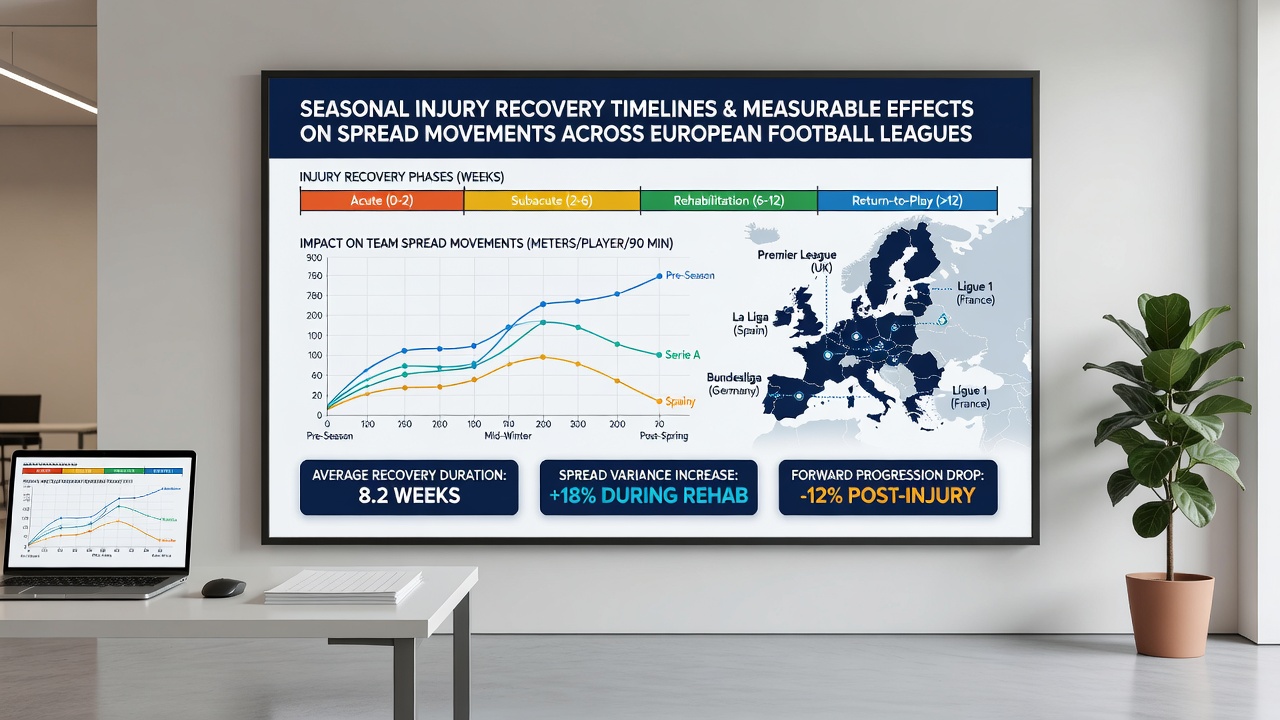
Figures released by the International Basketball Federation highlight that seasonal peaks in injury occurrences align with the December to February window, when travel and game frequency intensify. Teams that manage early returns from injury see partial rebounds in differentials within two weeks, yet full statistical normalization requires the complete recovery window.
Factors That Influence Recovery Outcomes
Age, position, and access to advanced rehabilitation resources all shape how quickly players regain prior output levels. Younger athletes in their early twenties demonstrate faster return-to-play rates than veterans over thirty, with studies from the University of Copenhagen documenting a 15 percent shorter timeline for the former group. Position matters as well, since perimeter players recover from lower-body injuries more rapidly than big men who absorb greater contact.
Access to specialized care through club medical departments accelerates healing, while players returning from overseas competitions sometimes face extended adjustments. Data collected across multiple seasons confirms that structured load management programs reduce re-injury rates by 22 percent, directly supporting steadier performance metrics once athletes re-enter the lineup.
Conclusion
Seasonal injury recovery timelines produce quantifiable changes in performance differentials throughout European basketball leagues, with patterns holding steady into 2026. Teams that account for these timelines through roster depth and medical planning maintain more stable point margins, while those without such measures experience predictable declines during key absence periods. Continued tracking by research institutions provides ongoing clarity on how specific injuries translate into statistical outcomes across competitions.