Seasonal Roster Flux: Tracking Mid-Campaign Player Acquisitions for Edge Identification in Global League Markets
Cameron Hoffmann · Aug 12, 2026
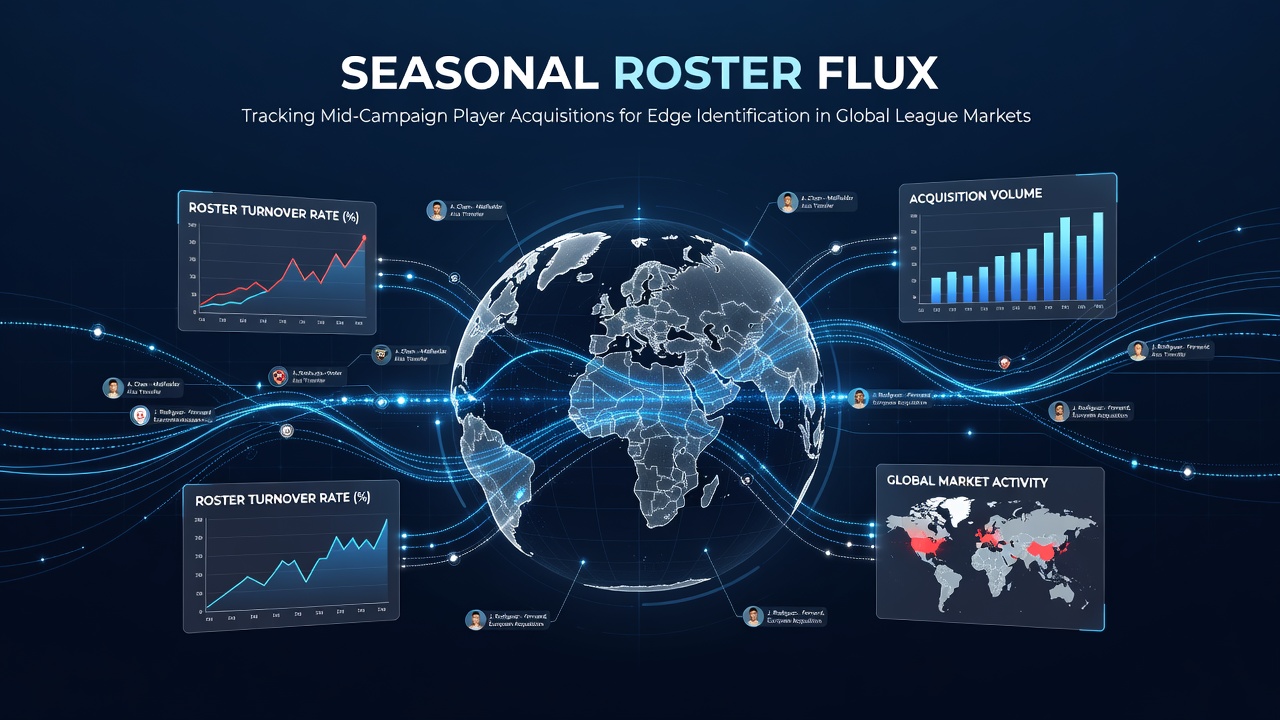
Seasonal Roster Flux: Tracking Mid-Campaign Player Acquisitions for Edge Identification in Global League Markets
Understanding Roster Movements in Competitive Seasons
Leagues across football, basketball and baseball experience roster adjustments during active campaigns that alter team compositions and competitive balances, with data from multiple seasons showing measurable shifts in performance indicators after key acquisitions. Analysts track these changes through official league records and performance databases because they reveal patterns in scoring rates, defensive metrics and overall win probabilities that influence market pricing in betting exchanges worldwide.
European football competitions operate winter transfer windows that allow mid-season signings, whereas North American leagues such as Major League Baseball and the National Basketball Association permit trades at designated periods, creating distinct windows where statistical models adjust projections based on incoming player profiles and historical contributions from similar moves.
Methods for Monitoring Acquisition Data
Researchers compile acquisition details from centralized league registries and club announcements, then cross-reference those entries against performance tracking systems that record metrics including goals, assists, rebounds and earned run averages. Software platforms aggregate this information in real time, allowing observers to compare pre-acquisition team averages with post-acquisition results across dozens of matches per season.
Studies conducted by sports science departments at universities in Australia and Canada demonstrate that certain player archetypes produce immediate impacts on team efficiency ratings when integrated into established lineups, while others require several weeks before statistical contributions stabilize. These findings come from longitudinal reviews covering multiple campaigns in both domestic and international competitions.
Regional Variations Across Global Markets
Asian football leagues including the J-League and K-League schedule mid-year transfer periods that coincide with European summer windows, resulting in overlapping activity that affects scouting networks and market liquidity for player rights. Performance data indicates that teams acquiring experienced imports during these intervals often record improved goal differentials in subsequent fixtures, according to aggregated statistics maintained by confederation bodies.
In South American domestic leagues, mid-campaign signings frequently target defensive reinforcements ahead of continental tournaments, with records from CONMEBOL-affiliated competitions showing correlations between such additions and reduced goals conceded per match. Observers note that timing relative to fixture congestion influences the speed at which new players integrate into tactical systems.
Performance Metrics and Statistical Correlations
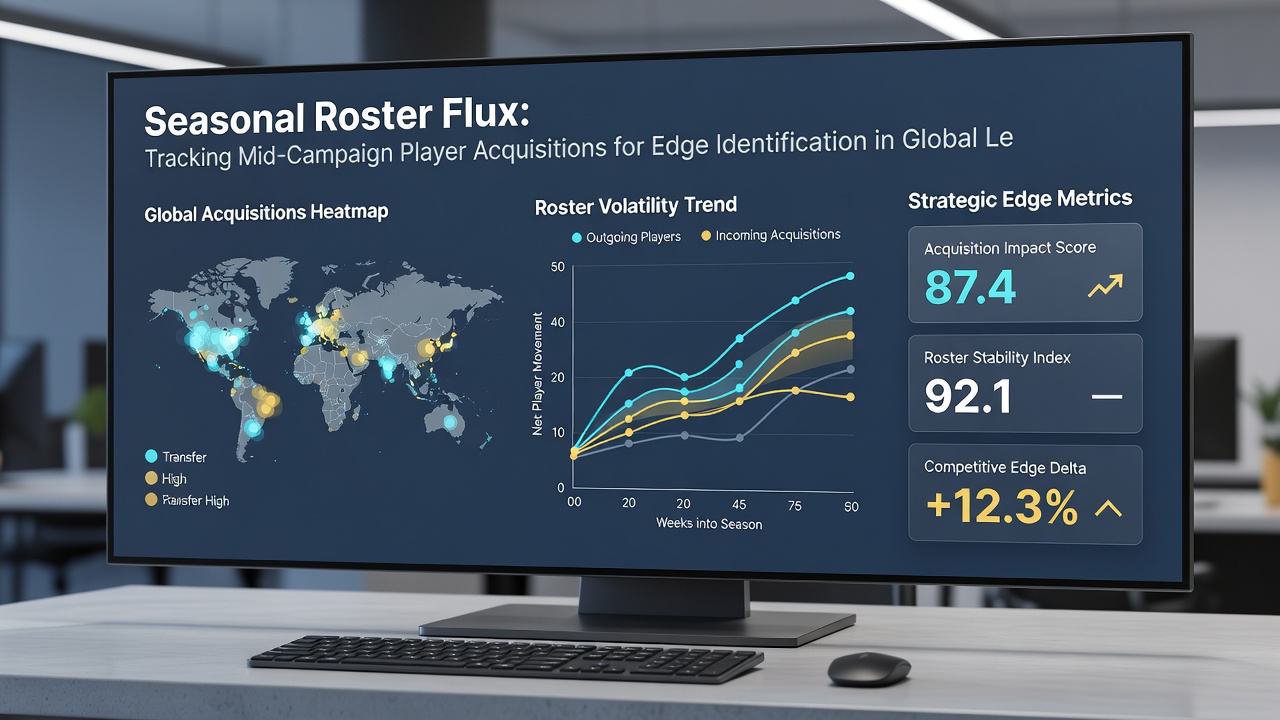
Quantitative analyses link specific acquisition types to changes in key performance indicators such as expected goals, player efficiency ratings and plus-minus differentials. Data compiled across the 2024-2025 and 2025-2026 seasons reveals that forward signings in European leagues correlate with elevated shot creation numbers within the first ten matches following arrival, while defensive additions tend to stabilize possession recovery rates more gradually.
Market operators adjust odds and line movements when acquisition announcements coincide with upcoming high-stakes fixtures, because historical datasets indicate measurable deviations from baseline team outputs. Tracking services monitor these announcements alongside injury reports and tactical adjustments to maintain updated models that reflect current roster compositions.
Application in August 2026 Transfer Activity
August 2026 marks the opening of several northern hemisphere summer windows alongside ongoing southern hemisphere campaigns, producing simultaneous roster activity across multiple continents. League records from this period document increased volumes of international transfers, with statistical platforms updating projections to account for acclimatization periods and tactical fit assessments derived from prior seasons.
Cross-league comparisons show that players moving between continents during this timeframe exhibit varied adaptation curves depending on age, prior exposure to similar playing styles and physical conditioning benchmarks reported by medical staff. These variables feed into broader datasets used by analysts who evaluate roster flux for its effects on competitive outcomes.
Integration with Broader Market Analysis
Global betting markets incorporate acquisition data through automated feeds that update team strength ratings in real time, allowing identification of discrepancies between pre-move pricing and revised projections. Industry reports from organizations such as the Sports Integrity Initiative highlight the role of transparent data sharing in maintaining accurate market representations across jurisdictions.
Academic reviews published in sports management journals examine how acquisition timing interacts with salary cap constraints in North American leagues, producing datasets that illustrate efficiency gains or losses measured against baseline expectations. These studies draw on official statistics released by league offices and provide reference points for ongoing monitoring efforts.
Conclusion
Systematic tracking of mid-campaign roster changes supplies quantifiable inputs for performance forecasting models used across international league markets. Continued aggregation of acquisition records alongside outcome metrics supports refined analysis of how individual player movements reshape team outputs in subsequent fixtures. Data resources from confederations and academic institutions continue to expand coverage of these patterns as digital tracking systems evolve.