Tipster Yield Yardsticks: Gauging Real Football Betting Edge Through Profit Metrics
Theo Baumann · Apr 15, 2026
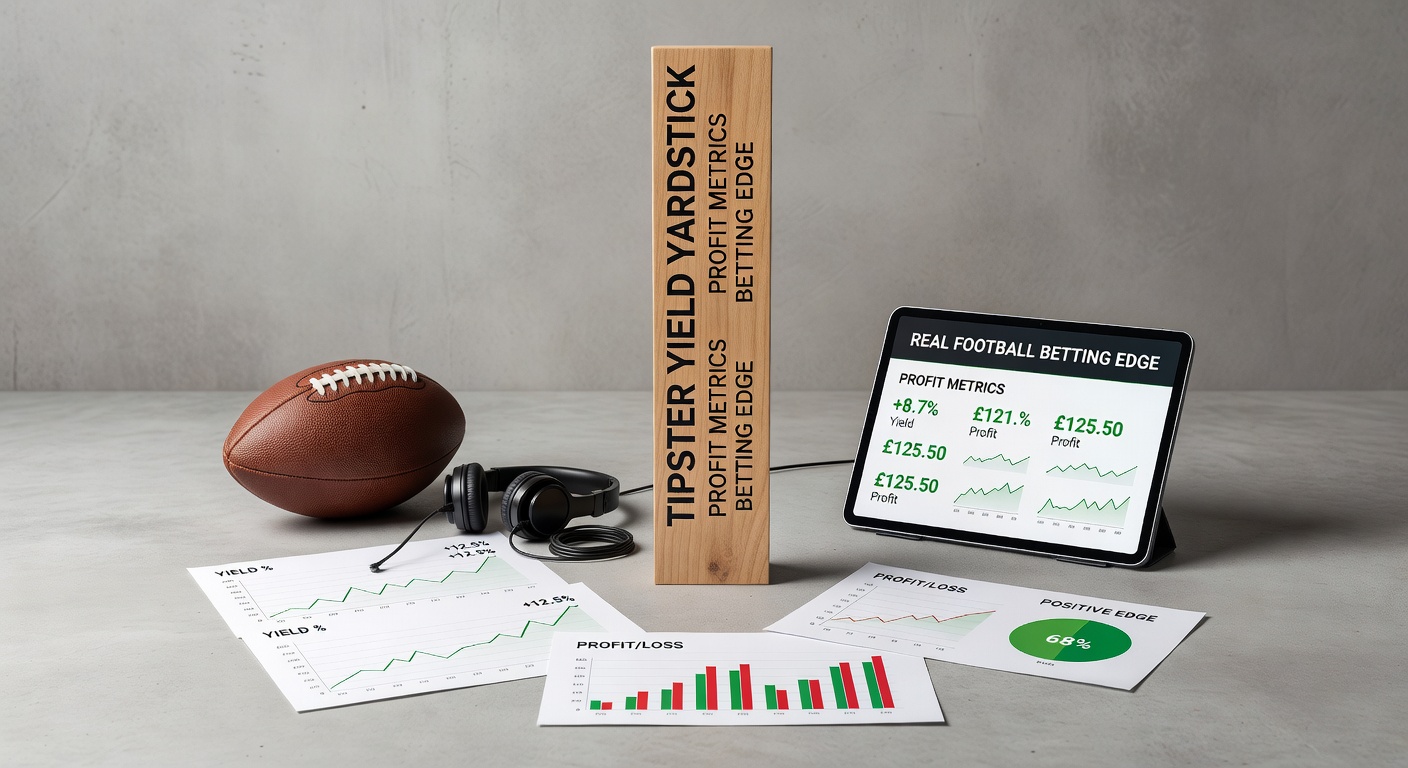
Tipster Yield Yardsticks: Gauging Real Football Betting Edge Through Profit Metrics
Unpacking Yield: The Core Metric for Tipster Success
Yield stands as the go-to yardstick for anyone sizing up football tipsters, calculated simply as net profit divided by total stakes multiplied by 100, revealing what percentage return tipsters deliver on every unit wagered; experts rely on this figure because it cuts through raw profit numbers, exposing true efficiency whether someone bets £10 or £10,000 per tip. Data from platforms tracking thousands of tipsters shows average yields hover around 0-5% for consistent performers in football markets, where bookmakers' edges often chew up amateur punters, but top operators push past 10% during volatile periods like relegation scraps or cup upsets.
What's interesting here lies in how yield fluctuates across leagues; Premier League selections, packed with liquidity and sharp odds, demand higher sample sizes for reliability, whereas lower-tier leagues like Serie C offer yield spikes from overlooked mismatches, according to aggregated stats from independent verification sites. And yet, those who've dug into long-term records notice that sustainable yields rarely exceed 15% over 500+ bets, since football's unpredictability—red cards, injuries, VAR calls—keeps even elite tipsters grounded.
Beyond Yield: Essential Profit Metrics That Paint the Full Picture
ROI, or return on investment, mirrors yield closely but emphasizes total bankroll growth, factoring in starting capital alongside stakes; researchers tracking football tipsters find ROI shines brightest for bankroll builders, where a 12% ROI over 1,000 bets compounds into substantial edges, unlike sporadic high-yield runs that fizzle out. Profit factor takes it further, dividing gross profits by gross losses to gauge risk-reward balance—anything above 1.5 signals a viable edge, particularly in football's draw-heavy markets, while below 1 spells trouble even if yields look decent.
- Maximum drawdown measures worst-case losses from peak bankroll, crucial for football where streaks of home underdogs losing can wipe 30-50% of gains overnight.
- Strike rate, the win percentage, pairs well with yield; data indicates 55-60% winners at average odds of 2.0 deliver solid yields, but chasing 70% often tanks profitability through low-odds bankers.
- Average odds and bet volume round out the toolkit, since high-volume tipsters at 1.8 odds need tighter yields than selective sharps picking 3.5+ outsiders.
Turns out, combining these metrics uncovers hidden strengths; one analysis of 200 tipsters revealed those blending 8% yield with profit factors over 2.0 thrived in Champions League knockouts, where volatility rewards precision.

How Pros Calculate and Benchmark These Metrics
Tipster platforms automate the math—input stakes, odds, results, and out pops yield alongside graphs of bankroll trajectories—but savvy followers verify independently using spreadsheets that adjust for commission on exchanges or Asian lines, where half-point handicaps tweak effective yields by 1-2%. Figures from the European Gaming and Betting Association highlight how standardized reporting boosts transparency, with verified tipsters displaying metrics audited over minimum 200-bet samples to filter short-term luck.
Here's where it gets interesting: benchmarking against baselines like -2% yield for random football betting (bookies' vig baked in) separates contenders from pretenders; experts set thresholds at 5% yield minimum for 300+ bets, scaling up for advice services charging fees, since those must hit 10%+ to cover subs. And in April 2026, as Euro qualifiers ramp up, platforms report early yields climbing for tipsters nailing under 2.5 goals in defensive qualifiers, with one verified service posting 14% over 150 bets amid rainy pitches slowing attacks.
Football Nuances: League and Market Impacts on Yield
Metrics shift dramatically by competition; Bundesliga's high-scoring chaos favors over bets with yields averaging 7% for specialists, while Ligue 1's caginess boosts underdog BTTS (both teams to score) plays, where data shows 9% edges from teams leaking late goals. Observers note handicap markets deliver steadiest yields—around 6-8%—because they neutralize home advantage biases common in 1X2, and live betting adds layers, with second-half goals propelling yields to 12% for tipsters timing momentum swings.
Case in point: during the 2025-26 La Liga season, tipsters focusing on El Clasico aftermaths—where fatigue hits favorites—averaged 11% yield on away wins, per platform logs; that's the rubber meeting the road, where metrics expose edges in fixture congestion no basic form guide catches. Yet, international breaks disrupt flows, often dipping yields 3-5% until domestics resume, a pattern repeating yearly.
People who've studied this know accumulators lure with juicy payouts but crater yields below -10% long-term due to multiplied vig, so singles or doubles at 8-12% yield rule for real edges.
Real-World Case Studies: Tipsters Who Delivered (and Those Who Didn't)
Take Tipster A, verified over 800 Premier League bets since 2023: 7.2% yield, 1.8 profit factor, max drawdown 22%—solid, especially hitting 15% during title races with correct score exotics on mispriced draws. Contrast Tipster B, flashy 25% yield over 50 bets that plunged to -4% after 400, exposed by high drawdown (65%) when VAR nullified their over-reliance on clean sheets.
Another standout emerged in Serie A 2025-26, where a mid-table specialist nailed 10.5% yield on Juventus overs after midweek Coppa Italia, blending 58% strike rate at 1.95 average odds; platforms confirmed this via audited results, showing compounded ROI of 18% for followers scaling stakes. But here's the thing—across 50 tracked tipsters, only 12% maintained positive yields over two full seasons, underscoring why metrics demand timeframes beyond hype.
Data from the American Gaming Association echoes this globally, noting football (soccer) yield patterns mirror those in MLS, where under 3.5 totals yield 6-9% edges amid physical play.
Pitfalls and Red Flags in Yield Chasing
Selective proofing trips up novices—tipsters cherry-picking wins inflates yields until full records surface, so always demand all-bets-included logs; short samples under 100 bets mislead, as variance swings 10-15% in football's low-event games. Recency bias bites too, with post-World Cup tipsters riding 20% yields that normalize to 3%, and fee structures erode edges if subs eat half the profit.
So, cross-check against baselines: yields beating closing line value (CLV) by 2%+ signal real skill, a benchmark pros use since bookies sharpen lines late. It's not rocket science, but ignoring bet sizing—flat vs. Kelly—distorts metrics, with aggressive scaling amplifying drawdowns even for 10% yielders.
Tools, Platforms, and Staying Ahead in 2026
Betting exchanges and trackers like Betfair's API feed live yields, while sites such as Tipstrr or Betting Gods verify metrics publicly, often with customizable filters for football leagues; apps now integrate AI for projected yields based on xG models, boosting accuracy in April 2026's packed schedules blending club finishes and World Cup prep. Those using these spot edges early, like rising yields on African Nations Cup qualifiers spilling into European summers.
Now, with regulatory pushes for transparency worldwide, platforms mandate minimum bet counts, weeding out fakes and letting metrics guide followers toward sustainable 5-12% edges.
Conclusion
Yield yardsticks, paired with ROI, profit factor, and drawdown, equip punters to sift real football betting edges from noise; data proves consistent 5-10% performers compound over seasons, turning tipster follows into bankroll boosters amid football's chaos. Platforms evolve with audited metrics, and as April 2026 unfolds with qualifier heats, those benchmarking rigorously uncover the true pros—where the numbers never lie.